
Mountain day trips from Denver, and how to get home before dark
The best part of living here is the hour west of the city. The worst part is the traffic. Here are trips sorted by season and route, plus the I-70 habits that keep weekends fun.
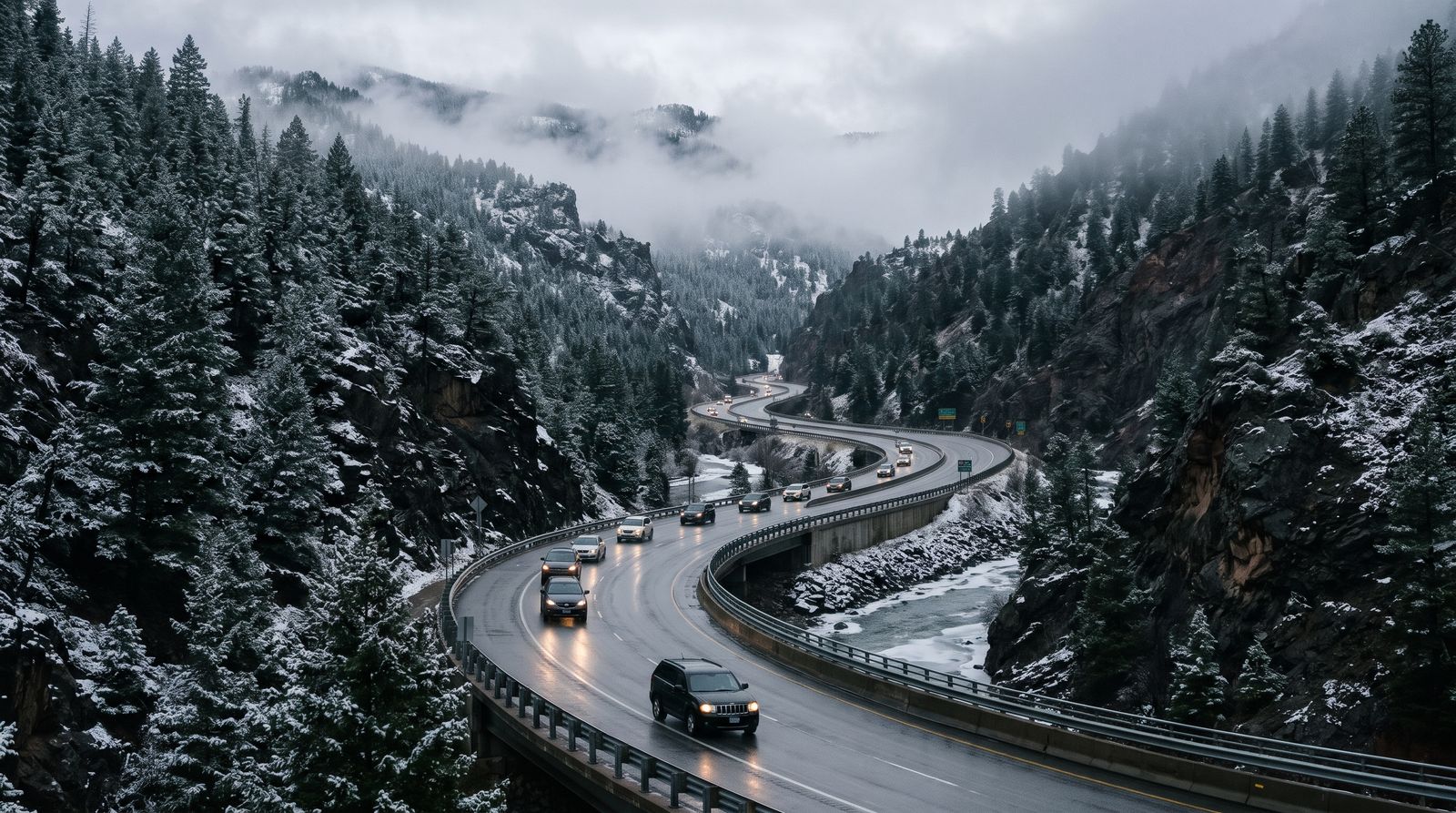
Within an hour of downtown you can stand on red rock, walk a mountain lake, or watch elk. Within two, you can be over the Continental Divide. The trick is matching the trip to the season, the day of the week, and how long you have been at altitude.
Start close, then go higher
New arrivals tend to aim straight for a famous summit. A better first month is the foothills: Red Rocks, Golden, Boulder's trailheads, Evergreen. These sit between about 5,500 and 7,500 feet, need no mountain pass, and are open most of the year. You get the views without the altitude headache or the traffic jam on the way home.
Once you have a few weeks at Denver's elevation, and if you feel good, head up the I-70 corridor or north to the national park. Our altitude guide explains why the order matters.
Day trip finder
Filter by season and by how much driving you want.
-
Red Rocks Park and Amphitheatre
Towering red sandstone formations above Morrison, with short trails and the famous outdoor amphitheater, which visitors can walk through on days without events.
-
Golden and Lookout Mountain
A walkable historic downtown along Clear Creek, with a winding road up Lookout Mountain for big views back over the plains and the city.
-
Boulder's Chautauqua and the Flatirons
Trails leave from Chautauqua Park toward the tilted rock slabs of the Flatirons. Routes range from an easy meadow loop to steep climbs.
-
Eldorado Canyon State Park
A narrow canyon with sheer walls known to rock climbers, plus trails along South Boulder Creek. Popular on weekends, so arrive early.
-
Roxborough State Park
Tilted red rock fins and quiet trails south of the metro. Dogs are not allowed in the park, which keeps it calm for wildlife watching.
-
Castlewood Canyon State Park
A canyon carved into the prairie southeast of the metro, with the remains of an old dam and easy creekside trails.
-
Evergreen Lake
A mountain lake ringed by trails in the foothill town of Evergreen. Paddling in summer, and skating in winter when the ice is ready.
-
Idaho Springs
A historic mining town on I-70 with a compact main street, hot springs and access to Clear Creek. An easy first trip up the corridor.
-
Staunton State Park
Forested trails, rock outcrops and meadows off US-285, with routes from short strolls to long day hikes.
-
Georgetown and Guanella Pass
A preserved Victorian mining town at the foot of a scenic pass road. In fall, aspen color along the pass draws big crowds.
-
Mount Blue Sky Scenic Byway
A paved road that climbs toward the summit of a fourteener in summer. A vehicle reservation has been required in recent seasons, and the upper road closes for winter.
-
Rocky Mountain National Park
Alpine lakes, elk and Trail Ridge Road, reached through Estes Park. Expect timed-entry reservations in busy seasons; check before you go.
-
Brainard Lake Recreation Area
High lakes below the Indian Peaks, reached through Nederland and Ward. Check whether a reservation is needed for your date.
-
Summit County towns
Breckenridge, Frisco and Dillon sit beyond the Eisenhower-Johnson Memorial Tunnel: skiing in winter, lakes and bike paths in summer.
I-70 survival for weekend warriors
I-70 is the main road from Denver into the central mountains, and on busy weekends a large share of the metro seems to be on it at once. Traffic is predictable, which means it is avoidable.
| Direction | Worst times | Workaround |
|---|---|---|
| Westbound (to the mountains) | Friday afternoon and evening, Saturday morning | Leave before dawn, or go Friday late at night |
| Eastbound (back to Denver) | Saturday and Sunday afternoons | Head home before lunch, or stay for dinner and drive after the rush |
| Either way | Holiday weekends, powder days, peak fall color | Pick a trip off I-70, or go midweek |
The traction law, in plain language
Every year from September 1 through May 31, Colorado's passenger vehicle traction law applies on the I-70 mountain corridor. In general, your car needs either tires with enough tread and a snow rating (mud and snow, all-weather or winter tires), or four-wheel or all-wheel drive with adequate tread, or approved chains or traction devices. During severe storms, the state can tighten the rules further. The Colorado Department of Transportation publishes the exact requirements and posts when the law is active.
Put a quarter into your tread upside down. If you can see the top of George Washington's head, the tread is probably too worn for winter mountain driving. It is a quick, rough check; a tire shop can measure precisely.
Pack the car for the mountains
- Water and snacks for everyone, more than you think you need.
- Layers, including a waterproof shell, even in July.
- Sunscreen, sunglasses and a hat. UV is stronger the higher you go.
- Offline maps. Cell coverage drops in canyons and on back roads.
- In winter: ice scraper, blanket, small shovel, phone charger and a full tank.
Choose by the forecast
- afternoon thunderstorms are forecast in summer
- start early and be below treeline by early afternoon.
- a winter storm is forecast for the mountains
- pick a foothill trip, or wait a day for plows and sun.
- smoke or ozone alerts are posted
- keep it easy, or swap the hike for a scenic drive and a museum.
Trail habits that locals notice
Popular trails near Denver get heavy use. Stay on the trail, especially on fragile alpine tundra. Pack out trash, including food scraps. Yield to uphill hikers. Keep dogs leashed where required, and check whether dogs are allowed at all, since some parks ban them. Respect wildlife distances; elk and moose can be dangerous when they feel crowded.
Before any trip, check the weather and road conditions. Our weather guide explains summer storm timing, and the neighborhood guide shows which parts of town cut the most time off the drive west.
The bottom line
- Foothills first, high country after a few weeks.
- Beat I-70 by timing, not by speed.
- From September through May, make sure your tires meet the traction law.
Day trip questions
When is I-70 traffic worst?
Weekend peaks are the classic problem: westbound on Friday evenings and Saturday mornings, and eastbound back toward Denver on Saturday and especially Sunday afternoons. Holiday weekends and powder days in ski season make it worse. Leave very early, return after dinner, or go midweek.
What is the Colorado traction law?
Colorado's passenger vehicle traction law applies on the I-70 mountain corridor every year from September 1 through May 31, and can be activated on other mountain roads during storms. Vehicles generally need tires with enough tread plus a snow rating, or four-wheel or all-wheel drive with adequate tread, or approved chains or traction devices. Check the Colorado Department of Transportation for the exact current rules.
Can I get to the mountains without a car?
Yes, for some trips. The Colorado Department of Transportation runs the Bustang intercity bus along I-70, and seasonal services have connected Denver to ski areas. Several Front Range trailheads in Boulder and Golden can be reached by regional bus. Check current routes and schedules before planning around them.
Do I need a reservation for Rocky Mountain National Park?
During busy seasons, the park has used a timed-entry reservation system for vehicles. Rules, dates and hours change from year to year, so check the National Park Service website for the current requirements before you go.
What should I always bring on a mountain day trip?
Water, layers including a rain shell, sunscreen and sunglasses, snacks, a charged phone with offline maps, and in winter an ice scraper, blanket and small shovel. Weather above treeline can change within an hour.
No question matches that. Ask it instead.
Need a trip for a specific weekend?
Tell us the date, who is coming and how far you want to drive. We will reply with ideas that fit the season and dodge the worst traffic.
Ask for a trip idea