
Denver weather, month by month, and how locals plan around it
Sunny, dry and famously fickle. Here is what each season usually brings, why it happens, and what locals do about snow that melts by lunch and hail that arrives without warning.
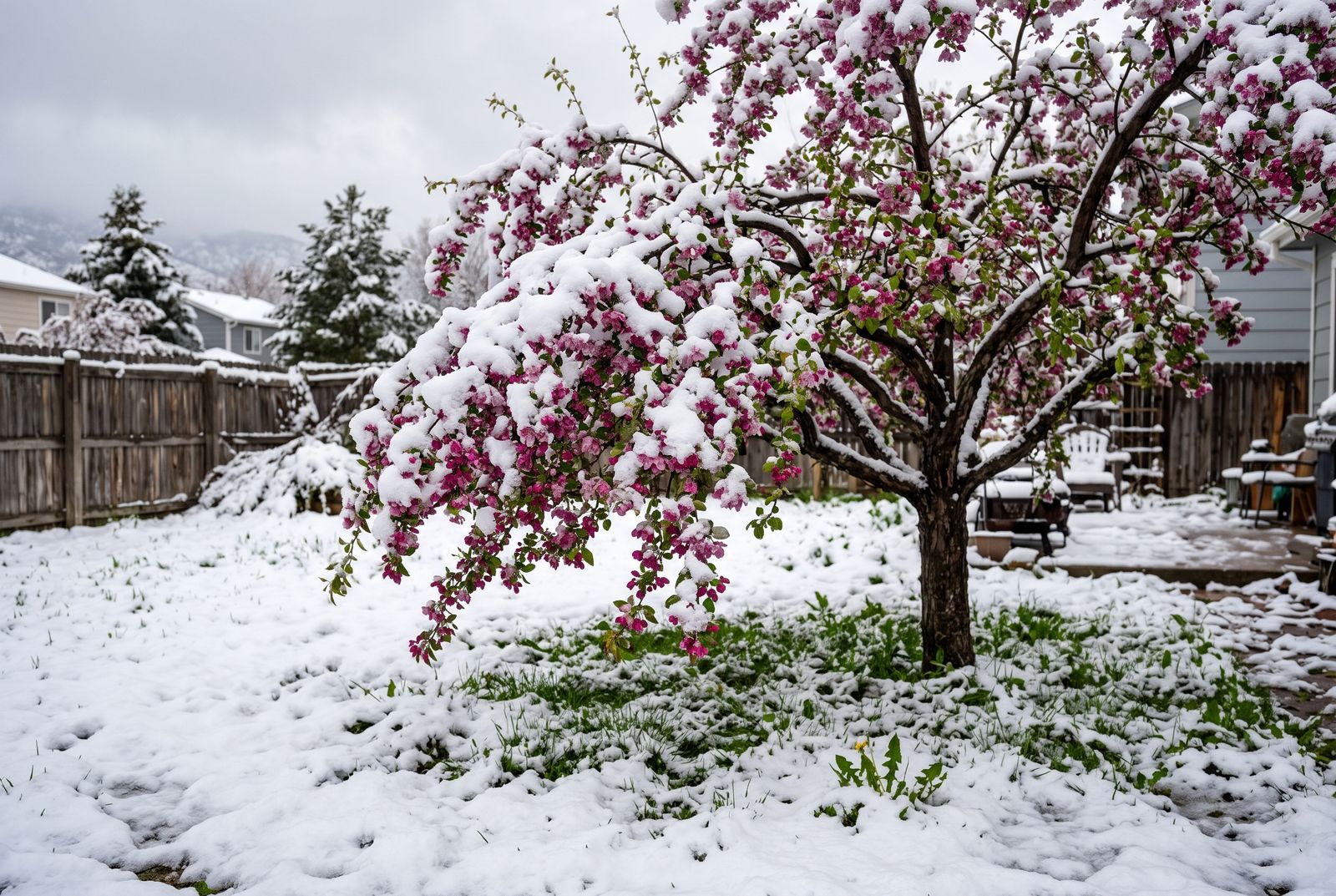
Denver weather has a reputation for whiplash, and it earns it. A 65-degree afternoon can follow a morning snowstorm. A clear summer day can end with hail. Once you understand the handful of patterns behind it, the surprises get a lot smaller.
Why Denver weather changes so fast
Three things drive it. Denver sits on high plains right where they meet the mountains. The air is dry, so temperatures swing widely between day and night. And the mountains to the west wring moisture out of most Pacific storms before they arrive, which is why the city stays sunny so often.
The exceptions are where the drama lives. When moist air pushes in from the east and is forced uphill against the foothills, it cools and dumps precipitation. Forecasters call this upslope flow, and it produces the big spring snowstorms. When wind instead pours down the mountains from the west, it warms as it descends. That is the chinook, and it can melt a snowstorm in an afternoon.
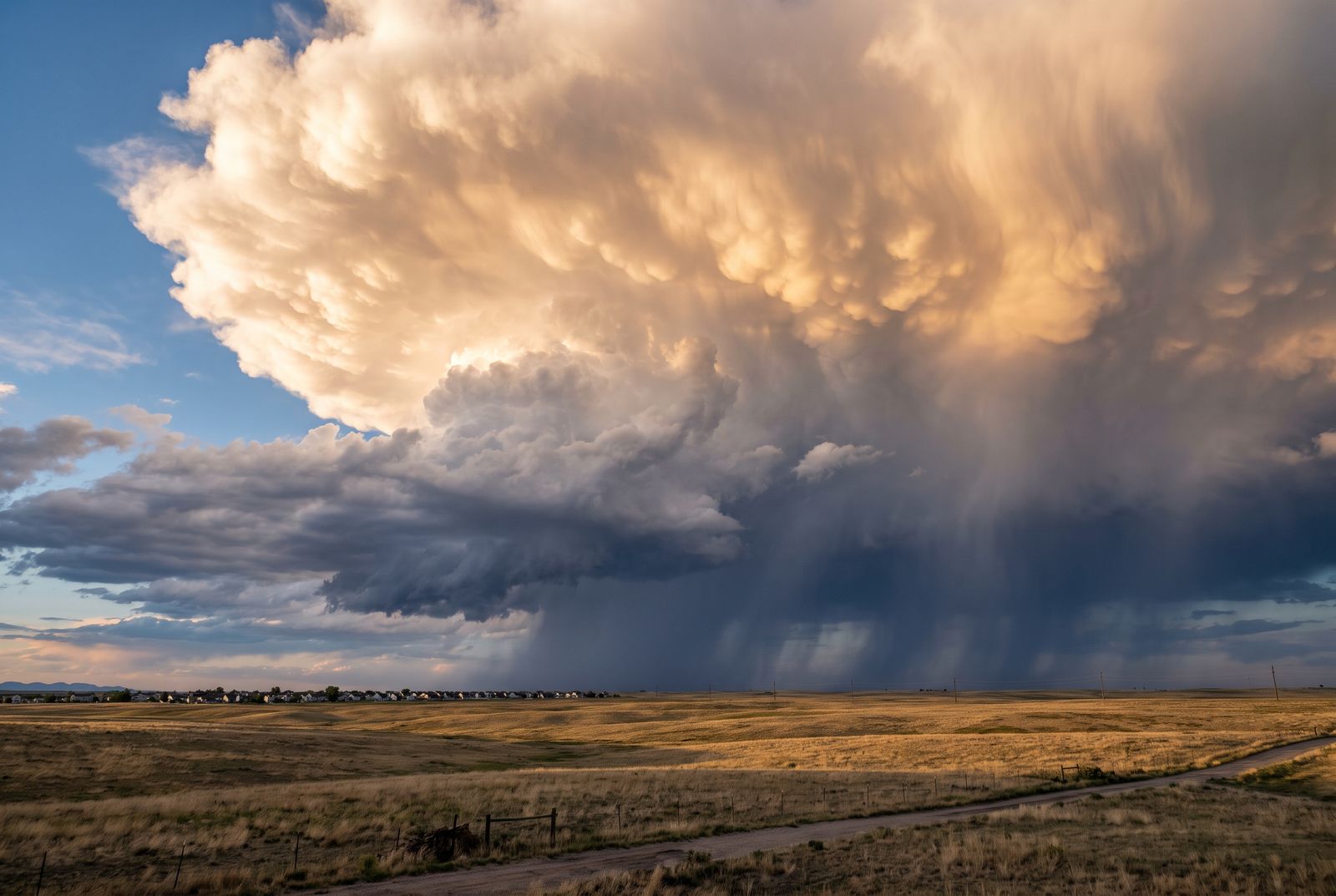
Look west. Storms in summer usually build over the mountains first and drift east onto the plains in the afternoon. If the peaks disappear behind dark clouds after lunch, plan to be indoors, or at least off the trail, in an hour or two.
Month by month in the Denver area
Opens on the current month. Patterns, not promises.
January: Cold snaps, then sun
- The sky
- Usually the coldest stretch of the year. Arctic fronts can drop temperatures hard for a day or three, then a dry westerly wind off the mountains (the chinook) warms things up fast.
- On the ground
- Snow on sunny, south-facing sidewalks often melts within days. Shaded north sides of streets and driveways stay icy for weeks.
- Watch for
- Winter inversions that trap haze over the city, and black ice on shaded roads in the morning.
February: Dry air, quick thaws
- The sky
- Similar to January with slightly longer days. Snow comes in bursts more than in long gray spells.
- On the ground
- Indoor air gets very dry with the furnace running. Static shocks, cracked knuckles and nosebleeds are common complaints this month.
- Watch for
- Upslope storms that dump more snow on the west and south suburbs than downtown forecasts suggest.
March: The snowiest month
- The sky
- Historically Denver's snowiest month. Moist air pushed west against the foothills can produce heavy, wet snow, and the next day can still reach the 60s.
- On the ground
- Wet spring snow is heavy enough to snap branches and collapse weak carport roofs. Knock it off shrubs early.
- Watch for
- Big upslope storms, travel closures on I-70 and the foothill highways, and spring break traffic into the mountains.
April: Spring, with conditions
- The sky
- Warm afternoons alternate with late-season snow. Trees leafing out are most vulnerable to a heavy snowfall now.
- On the ground
- Hold off on planting tender annuals. Lawns green up, but frost is still likely.
- Watch for
- Snow on blooming trees, and the first strong thunderstorms of the year on the plains.
May: Hail season opens
- The sky
- The last frost usually passes during May, and severe thunderstorms start building over the Front Range in the afternoons.
- On the ground
- Many locals wait until mid-May to plant tomatoes and annuals. Keep the car in a garage or under cover on stormy afternoons.
- Watch for
- Hail, a surprise snow early in the month, and fast-moving storms that arrive with little warning.
June: Long days, loud afternoons
- The sky
- Warm and mostly dry mornings, with storms building over the mountains after lunch and rolling east onto the plains.
- On the ground
- Hike early and be off exposed ridges by early afternoon. Watering restrictions, if any are in place, usually matter most from here on.
- Watch for
- Peak hail risk, gusty storm outflow winds, and strong sun at altitude.
July: Heat, ozone and monsoon storms
- The sky
- Usually the hottest month. Moisture from the southwest monsoon often arrives during July, adding daily thunderstorms.
- On the ground
- Ozone alerts are most common in summer. On alert days, do hard outdoor exercise in the morning.
- Watch for
- Ozone action days, wildfire smoke drifting in from fires near and far, and lightning on mountain trails.
August: Afternoon storms continue
- The sky
- Monsoon moisture keeps afternoon storms going. Evenings cool off quickly once the sun drops behind the mountains.
- On the ground
- Foothill canyons and recent burn scars can flash flood during heavy rain. Check the forecast before canyon hikes.
- Watch for
- Flash flooding in canyons, hail, and late-summer smoke.
September: The settled month
- The sky
- Often the most stable weather of the year: warm, dry days and cool nights. Aspens in the high country start turning gold.
- On the ground
- Peak aspen weekends bring heavy traffic to popular mountain drives. Go midweek or very early.
- Watch for
- An early snow in the high country, and colder nights than newcomers expect.
October: First snow, often
- The sky
- The first snow in Denver often arrives in October, sometimes onto trees that still have their leaves.
- On the ground
- Blow out sprinkler systems and disconnect hoses before the first hard freeze. Put the ice scraper back in the car.
- Watch for
- A hard freeze after a warm spell, snow on leafy trees, and the traction law season on I-70.
November: Ski season and sharp fronts
- The sky
- Cold fronts arrive quickly, but sunny, mild days between storms are common. Ski areas begin opening.
- On the ground
- Check that snow tires or all-weather tires have enough tread before mountain trips.
- Watch for
- Weekend ski traffic on I-70, and icy mornings after a sunny afternoon melt.
December: Short days, bright cold
- The sky
- Short days and cold nights. Snow is common, though many days are clear and bright.
- On the ground
- Low winter sun reflected off snow is hard on eyes and skin. Sunglasses and sunscreen still matter.
- Watch for
- Inversion haze, holiday travel delays, and closures over the mountain passes.
Snow, Denver style
Newcomers from the Midwest and Northeast are often surprised twice. First, by how quickly snow disappears from city streets: strong sun at altitude, dry air and warm afternoons melt it fast. Second, by how heavy spring snow can be. A March or April storm can bring wet, dense snow that snaps branches and blocks roads for a day.
| Fall and midwinter | Spring (March to May) | |
|---|---|---|
| Texture | Often drier and lighter | Often wet and heavy |
| Main risk | Ice on shaded roads and sidewalks | Broken branches, power outages, slush |
| How long it lasts | Can linger in shade for weeks | Usually melts within a few days |
| Worth doing | Clear the walk before it packs into ice | Gently knock snow off young trees and shrubs |
Shoveling is not optional
Denver and most suburbs expect residents and property owners to clear public sidewalks within a set time after snow stops. The deadlines are short and differ between cities, so look up your city's current rule. Clearing early matters for a practical reason too: snow left on a shaded walk melts, refreezes overnight and turns into a sheet of ice for weeks.
Hail season on the Front Range
The Front Range is one of the most hail-prone areas in the country. Hail usually comes with afternoon thunderstorms from late spring through summer, and storms can move from the foothills to the eastern suburbs quickly. Most hail is small, but larger stones can dent cars, crack windshields, shred gardens and damage roofs.
When the sky turns green-gray
- a severe thunderstorm warning is issued
- move your car into a garage or parking structure if you can, and bring in patio cushions and potted plants.
- you are driving and hail starts
- pull under an overpass only if you can do it without stopping in a traffic lane; otherwise exit and find a parking structure.
- your roof or car was hit
- photograph the damage and call your insurer before hiring anyone who knocks on your door.
Summer storms, ozone and smoke
Summer mornings are usually clear. Afternoons often turn stormy as clouds build over the mountains. From mid-summer, monsoon moisture from the southwest can make those storms a daily habit. Lightning is the main danger on high trails, and flash floods are a risk in foothill canyons and recent burn scars.
Two air quality issues matter in summer. Ground-level ozone builds on hot, sunny days, and the state issues ozone action day alerts when levels are expected to be high. Wildfire smoke, from fires in Colorado or far to the west, can haze the sky for days. On bad air days, move workouts indoors or to early morning.
Where to check before you go
- The National Weather Service office in Boulder for official forecasts, watches and warnings.
- The Colorado Department of Transportation's road conditions site for closures, chain and traction law alerts.
- The state health department's air quality forecasts for ozone and smoke advisories.
- Mountain forecasts for the specific peak or pass you are visiting, not the city forecast.
Heading into the high country? Our day trips guide covers I-70 timing and the traction law, and our altitude guide explains why winter sunburn is real.
The bottom line
- Plan around afternoons in summer and around storms in spring.
- Covered parking and good insurance matter more than a heavy coat.
- Check mountain forecasts separately; city weather tells you little about the passes.
Weather questions
Does Denver get a lot of snow?
Denver gets regular snow from fall through spring, but it rarely sticks around in the city for long. Strong sun and dry air melt most of it within days, especially on south-facing surfaces. The mountains to the west get far more snow and keep it all winter.
What is the snowiest month in Denver?
March has historically been Denver's snowiest month, with April close behind. Spring storms tend to bring heavy, wet snow that can break tree branches, especially once leaves are out.
When is hail season in Denver?
Hail is most common on the Front Range from late spring through summer, with storms typically building in the afternoon. Park under cover on stormy afternoons and check that your auto insurance covers hail damage.
What is a chinook wind?
A chinook is a warm, dry wind that comes down the eastern slope of the Rockies. It can raise temperatures quickly in winter and melt snow fast. Strong chinooks can also bring damaging gusts to the foothills and western suburbs.
Where can I get reliable Denver forecasts?
The National Weather Service office in Boulder issues official forecasts, watches and warnings for the Denver area. Colorado's transportation department posts road conditions and closures, which matter most for mountain travel.
No question matches that. Ask it instead.
Wondering what a certain month is really like?
Moving in March? Planning a wedding in June? Ask us what to expect, and we will reply with what usually happens and how locals plan around it.
Ask about the weather