
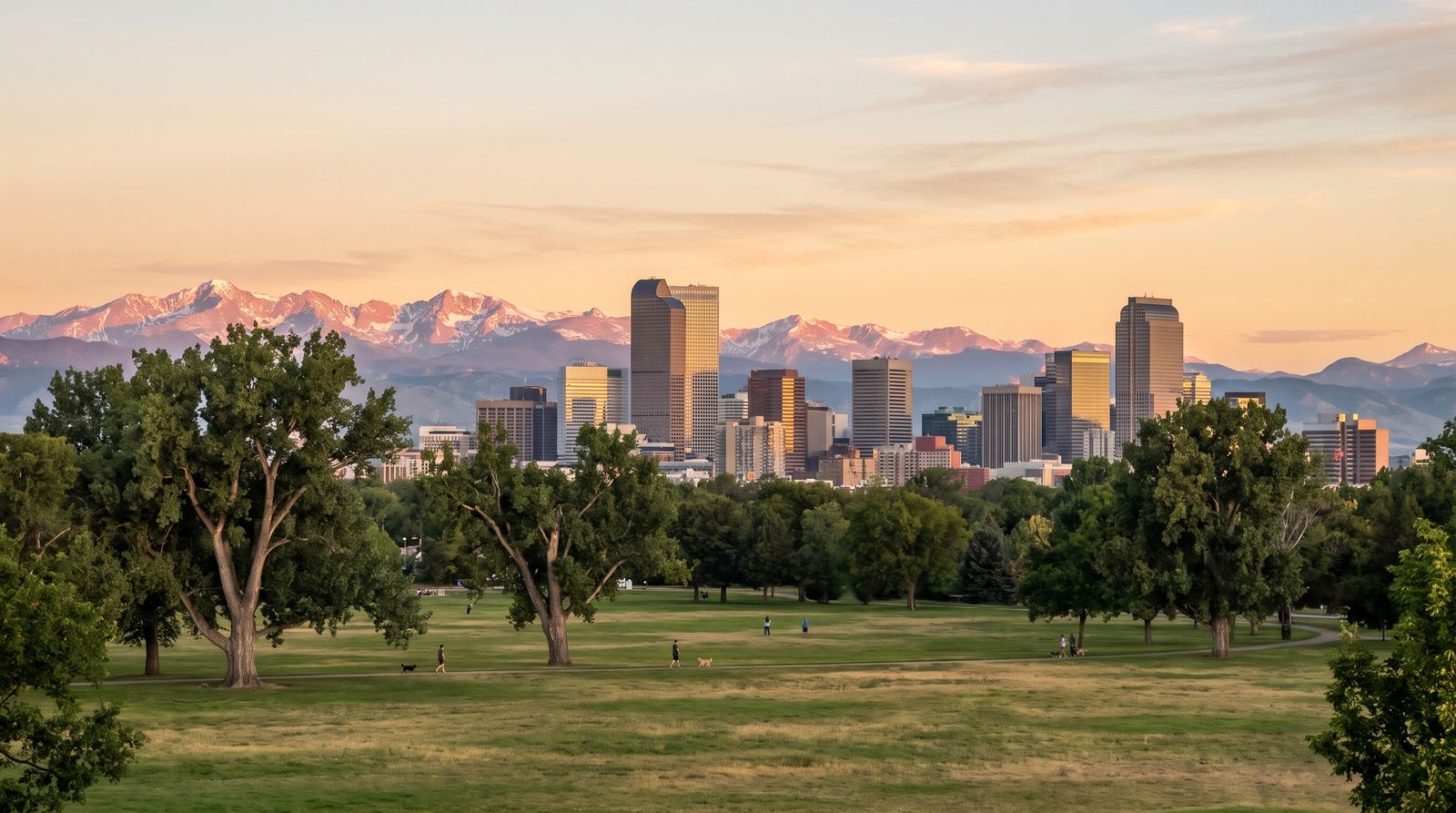
Settle into Denver like you've been here for years
An independent guide to the 303: choosing a neighborhood, living at a mile high, reading Front Range weather, and getting to the mountains and back without losing your Sunday.
Where are you in the move?
Pick the stage that fits. We'll point you at the three things worth reading first.
Get a feel for the place before you sign anything
Most people who regret a Denver move did not regret the city. They regret the part of town, the commute, or a first winter they were not ready for. Spend your research time there.
- Read how the metro is laid out and which areas fit your daily life. Compare neighborhoods
- Understand what altitude really changes, from sleep to baking. Altitude basics
- Look at a full year of weather, not just the sunny photos. Month by month
Line up the move so the first month is boring
A good Denver move is mostly paperwork and timing: when the truck crosses the mountains, how fast the license and plates have to change, and what to have in the car on day one.
- Work through the moving timeline and save your progress. Moving timeline
- Check which neighborhoods match your commute. Neighborhood finder
- Plan the drive in if you are crossing the Rockies in winter. I-70 basics
Your first two weeks, at 5,280 feet
Drink more water than feels necessary, go easy on alcohol, and do not judge your fitness by your first hike. The rest is errands, and a few of them have deadlines.
- Run the first-week altitude checklist. First week plan
- Knock out the residency tasks that have deadlines. Paperwork list
- Pick an easy first trip out of town. Trip finder
Snow here behaves differently
Denver snow often melts off in a day or two, which lulls newcomers. The mountains are another matter. Tires, timing and patience decide whether a ski weekend is fun.
- See what each winter month usually brings. Winter months
- Learn the I-70 traction law before your first ski trip. Traction law
- Protect your skin and sleep in very dry air. Dry air tips
Five long reads, no fluff
Each guide answers one big question about living here, with the details people usually learn the hard way.

What each month usually throws at you
Tap a month. These are patterns, not forecasts, and the weather here loves to break its own rules.
January
Cold snaps, then sun
Usually the coldest stretch of the year. Arctic fronts can drop temperatures hard for a day or three, then a dry westerly wind off the mountains (the chinook) warms things up fast.
On the ground
Snow on sunny, south-facing sidewalks often melts within days. Shaded north sides of streets and driveways stay icy for weeks.
Watch for
Winter inversions that trap haze over the city, and black ice on shaded roads in the morning.
February
Dry air, quick thaws
Similar to January with slightly longer days. Snow comes in bursts more than in long gray spells.
On the ground
Indoor air gets very dry with the furnace running. Static shocks, cracked knuckles and nosebleeds are common complaints this month.
Watch for
Upslope storms that dump more snow on the west and south suburbs than downtown forecasts suggest.
March
The snowiest month
Historically Denver's snowiest month. Moist air pushed west against the foothills can produce heavy, wet snow, and the next day can still reach the 60s.
On the ground
Wet spring snow is heavy enough to snap branches and collapse weak carport roofs. Knock it off shrubs early.
Watch for
Big upslope storms, travel closures on I-70 and the foothill highways, and spring break traffic into the mountains.
April
Spring, with conditions
Warm afternoons alternate with late-season snow. Trees leafing out are most vulnerable to a heavy snowfall now.
On the ground
Hold off on planting tender annuals. Lawns green up, but frost is still likely.
Watch for
Snow on blooming trees, and the first strong thunderstorms of the year on the plains.
May
Hail season opens
The last frost usually passes during May, and severe thunderstorms start building over the Front Range in the afternoons.
On the ground
Many locals wait until mid-May to plant tomatoes and annuals. Keep the car in a garage or under cover on stormy afternoons.
Watch for
Hail, a surprise snow early in the month, and fast-moving storms that arrive with little warning.
June
Long days, loud afternoons
Warm and mostly dry mornings, with storms building over the mountains after lunch and rolling east onto the plains.
On the ground
Hike early and be off exposed ridges by early afternoon. Watering restrictions, if any are in place, usually matter most from here on.
Watch for
Peak hail risk, gusty storm outflow winds, and strong sun at altitude.
July
Heat, ozone and monsoon storms
Usually the hottest month. Moisture from the southwest monsoon often arrives during July, adding daily thunderstorms.
On the ground
Ozone alerts are most common in summer. On alert days, do hard outdoor exercise in the morning.
Watch for
Ozone action days, wildfire smoke drifting in from fires near and far, and lightning on mountain trails.
August
Afternoon storms continue
Monsoon moisture keeps afternoon storms going. Evenings cool off quickly once the sun drops behind the mountains.
On the ground
Foothill canyons and recent burn scars can flash flood during heavy rain. Check the forecast before canyon hikes.
Watch for
Flash flooding in canyons, hail, and late-summer smoke.
September
The settled month
Often the most stable weather of the year: warm, dry days and cool nights. Aspens in the high country start turning gold.
On the ground
Peak aspen weekends bring heavy traffic to popular mountain drives. Go midweek or very early.
Watch for
An early snow in the high country, and colder nights than newcomers expect.
October
First snow, often
The first snow in Denver often arrives in October, sometimes onto trees that still have their leaves.
On the ground
Blow out sprinkler systems and disconnect hoses before the first hard freeze. Put the ice scraper back in the car.
Watch for
A hard freeze after a warm spell, snow on leafy trees, and the traction law season on I-70.
November
Ski season and sharp fronts
Cold fronts arrive quickly, but sunny, mild days between storms are common. Ski areas begin opening.
On the ground
Check that snow tires or all-weather tires have enough tread before mountain trips.
Watch for
Weekend ski traffic on I-70, and icy mornings after a sunny afternoon melt.
December
Short days, bright cold
Short days and cold nights. Snow is common, though many days are clear and bright.
On the ground
Low winter sun reflected off snow is hard on eyes and skin. Sunglasses and sunscreen still matter.
Watch for
Inversion haze, holiday travel delays, and closures over the mountain passes.
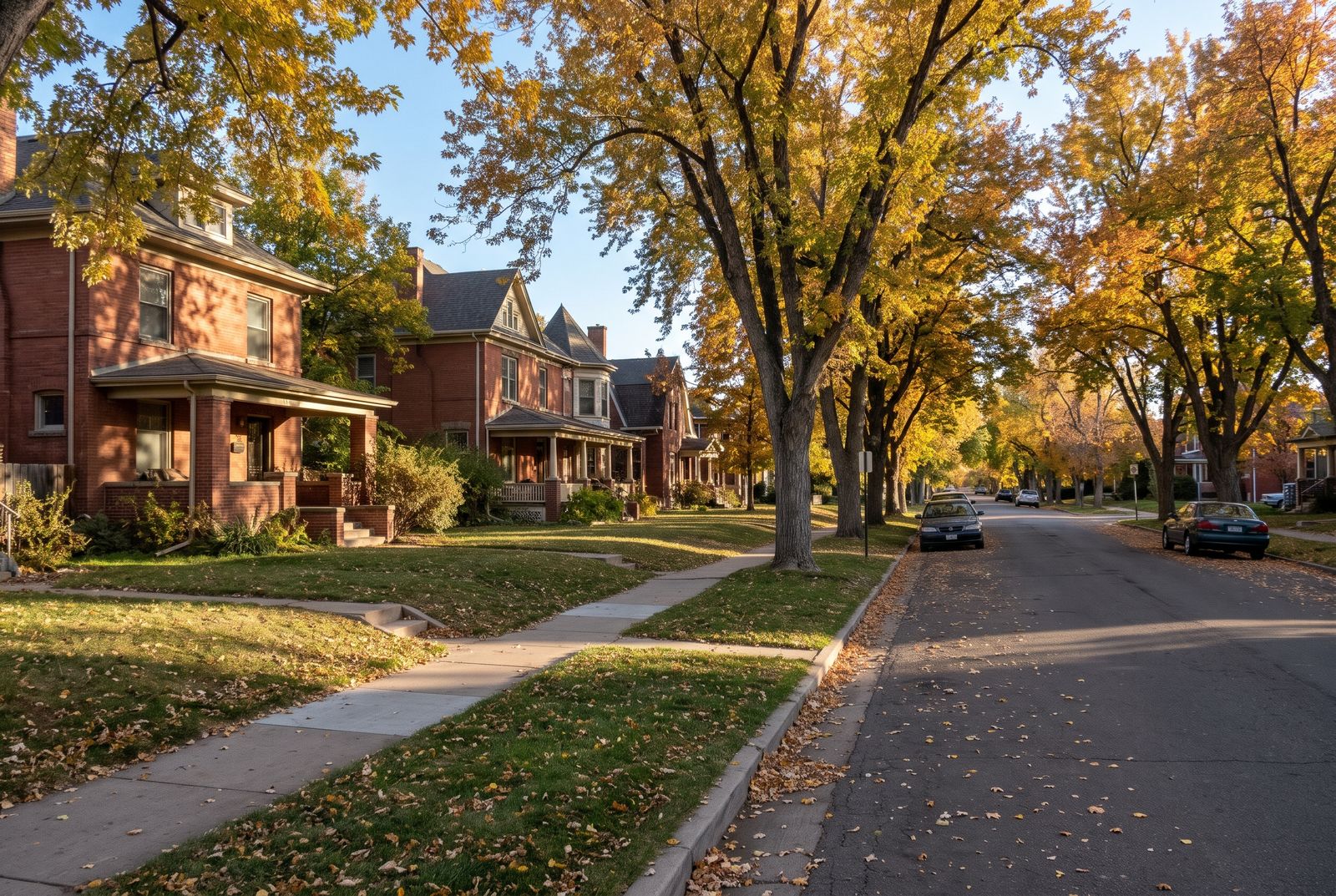
The mountains sell people on Denver. The neighborhood, the commute and the first winter decide whether they stay.
Relocation content tends to fall into two piles: glossy lists of breweries, and real estate pages built to capture your email. 303 Life is neither. It is an independent guide that tries to answer the practical questions honestly, including the ones with unglamorous answers.
Where a rule or a number matters, we tell you who sets it so you can check the current version yourself. Rules change. Snow doesn't care.
Photos on this site are illustrative.
Ask the question the guides didn't answer
Wondering whether a commute is realistic, how a part of town feels in winter, or what to pack for your first trip over the pass? Send it in. Good questions often become new sections of these guides.
Ask 303 Life