
Living at 5,280 feet: what changes and what to do about it
Denver's elevation is mostly a fun fact. For a week or two, though, it shapes how you sleep, how hard a hike feels, how fast you burn, and why your cake sank.
The 13th step of the Colorado State Capitol is marked as one mile above sea level, and the city wears that number proudly. Living with it is simple once you know what it does. Most adjustments are small: more water, more sunscreen, a humidifier, and a little patience in your first weeks.
What thinner air actually means
At Denver's elevation, air pressure is roughly 17 to 18 percent lower than at sea level. The air still contains the same share of oxygen, but each breath pulls in fewer oxygen molecules. Your body responds by breathing faster and, over days and weeks, by adapting in other ways.
For most healthy people in Denver itself, the effects are mild and short. You may get winded on stairs, sleep lightly for a few nights, or wake with a dull headache. Many people notice nothing at all. The bigger changes show up when you go higher, into mountain towns at 8,000 to 10,000 feet or onto 14,000-foot peaks.
This is general information. If you have a heart or lung condition, are pregnant, or are bringing a young child or an older relative, talk to a doctor before the move. Severe headache, vomiting, confusion or breathlessness at rest are reasons to get medical care, and to go down in elevation if you are in the mountains.
First-week altitude plan
A simple routine for your first seven days. Progress saves in this browser.
Days 1 and 2
Days 3 to 5
Days 6 and 7
Respect the sun, even in January
There is less atmosphere above you in Denver, so more ultraviolet light reaches the ground. The World Health Organization estimates that UV levels rise by about 10 percent with every 1,000 meters of elevation, and Denver sits a little over 1,600 meters up. Snow reflects much of that UV back up at you, which is why winter sunburns are common here.
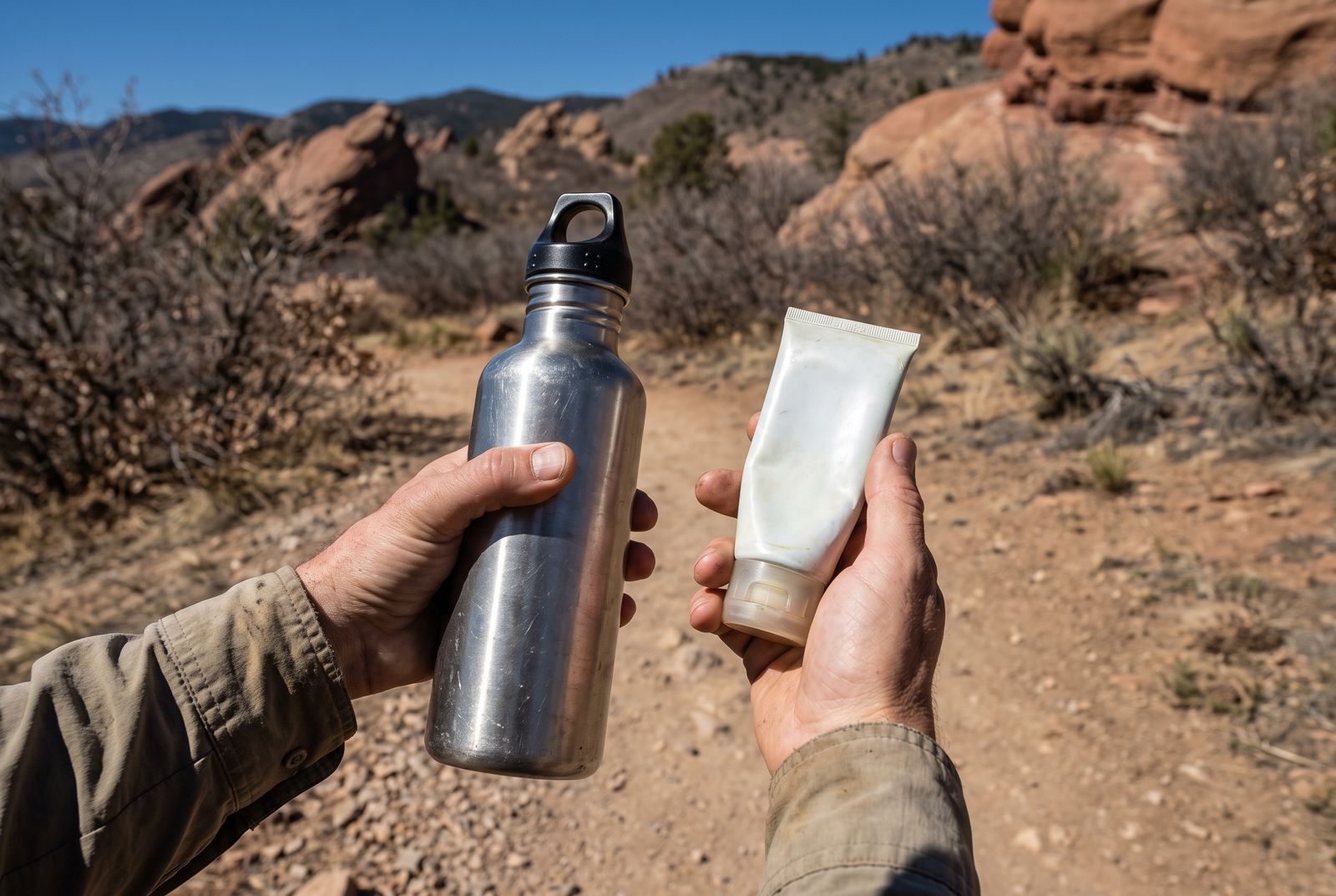
- Wear sunscreen on your face daily, not just on summer weekends.
- Keep sunglasses in the car. Snow glare on a clear morning is intense.
- Reapply on hikes; sweat and wind strip it off faster than you think.
- Use a lip balm with SPF. Sunburned lips are a classic newcomer souvenir.
Plan for very dry air
Denver's climate is semi-arid, and indoor air in winter, heated by a furnace, gets drier still. Expect static shocks, dry eyes, cracked knuckles, nosebleeds and wood floors that open small gaps between boards.
| Problem | Why it happens | What helps |
|---|---|---|
| Nosebleeds and congestion | Nasal passages dry out overnight | Bedroom humidifier, saline spray, water before bed |
| Cracked hands and lips | Low humidity pulls moisture from skin | Thicker creams at night, gloves outdoors, lip balm |
| Static shocks | Dry air lets charge build up | Humidifier, touching metal with a key first |
| Dehydration | Sweat evaporates fast, so you notice it less | Carry a bottle; drink before you feel thirsty |
| Houseplants struggling | Fast drying soil and strong window light | Check soil more often; group plants together |
Adjust your cooking and baking
Lower air pressure lowers the boiling point of water. In Denver it boils at roughly 202°F, about ten degrees cooler than at sea level. Pasta, rice, beans and hard-boiled eggs need more time. Liquids also evaporate faster, so sauces reduce quicker and bread dough rises faster.
Try it below. Pick a place or slide the elevation to see how the boiling point and air pressure change as you climb.
Boiling point by elevation
Estimated from the standard atmosphere. Real air pressure shifts a little with the weather.
Town elevations are approximate. Use this for cooking curiosity, not for anything safety-critical.
Baking at a mile high
Baked goods react the most. Gas from baking powder and soda expands more in thinner air, so cakes can rise fast and then collapse. Moisture evaporates quicker, which leaves things dry. Typical fixes are a little less leavening and sugar, a little more liquid, and a slightly hotter oven so the structure sets before it over-rises. Colorado State University Extension publishes tested high-altitude baking guidance, and many flour companies print altitude versions of their recipes.
Going higher: mountain towns and fourteeners
Colorado has dozens of peaks above 14,000 feet, and many sit within a few hours of Denver. Mountain towns along I-70 and in Summit County sit between roughly 7,500 and 10,000 feet. Altitude illness is more likely there, especially if you drive up from sea level the same day.
Plan by how long you have lived here
- you arrived this week
- stay in the foothills. Golden, Morrison and Evergreen make easy first trips.
- you have been here a few weeks and feel fine
- try a mountain town for a day and keep the hiking moderate.
- you want to climb a fourteener
- start very early, turn back by early afternoon in summer storm season, and turn around if symptoms build.
Our mountain day trips guide sorts outings by drive and season, and the weather guide explains why afternoon storms matter above treeline.
The bottom line
- Water, sunscreen, lip balm and a humidifier solve most of it.
- Give yourself a gentle first week before chasing summits.
- Expect slower boiling and touchier baking; adjust one variable at a time.
Altitude questions
Can you get altitude sickness in Denver?
Some people notice mild effects at Denver's elevation in the first days: a headache, poor sleep, getting winded on stairs. Classic altitude sickness is more common higher up, in mountain towns and on high passes. If symptoms are severe, or you feel breathless at rest or confused, get medical care right away. This guide is general information, not medical advice.
How long does it take to adjust to Denver's altitude?
Many people feel normal within a few days to a couple of weeks, but it varies a lot. Fitness does not guarantee a quick adjustment. Go easy on hard workouts and long mountain days in the first week or two, and ask your doctor before moving if you have heart or lung conditions.
Does alcohol really hit harder in Denver?
Many newcomers say it feels that way, especially combined with dehydration, poor sleep in the first nights, and a long day in the sun. The practical answer is the same either way: drink water alongside, eat, and go slower than you would at home.
Why does water boil at a lower temperature in Denver?
Water boils when its vapor pressure matches the air pressure around it. Air pressure in Denver is roughly a sixth lower than at sea level, so water boils at about 202°F instead of 212°F. Food in boiling water cooks at that lower temperature, which is why pasta and beans take longer.
Do I need to change my baking recipes in Denver?
Often, yes, especially for cakes, quick breads and anything leavened with baking powder or soda. Common adjustments include slightly less leavening and sugar, a bit more liquid, and a hotter oven. Colorado State University Extension publishes detailed high-altitude baking guidance.
No question matches that. Ask it instead.
Planning your first big hike or ski day?
Tell us where you are headed and how long you have been in Colorado. We will reply with sensible first trips and the questions to ask before you go high.
Ask about altitude